5 P’s of Personal Finance: A Practical Money Framework
What are the 5 P’s of personal finance?
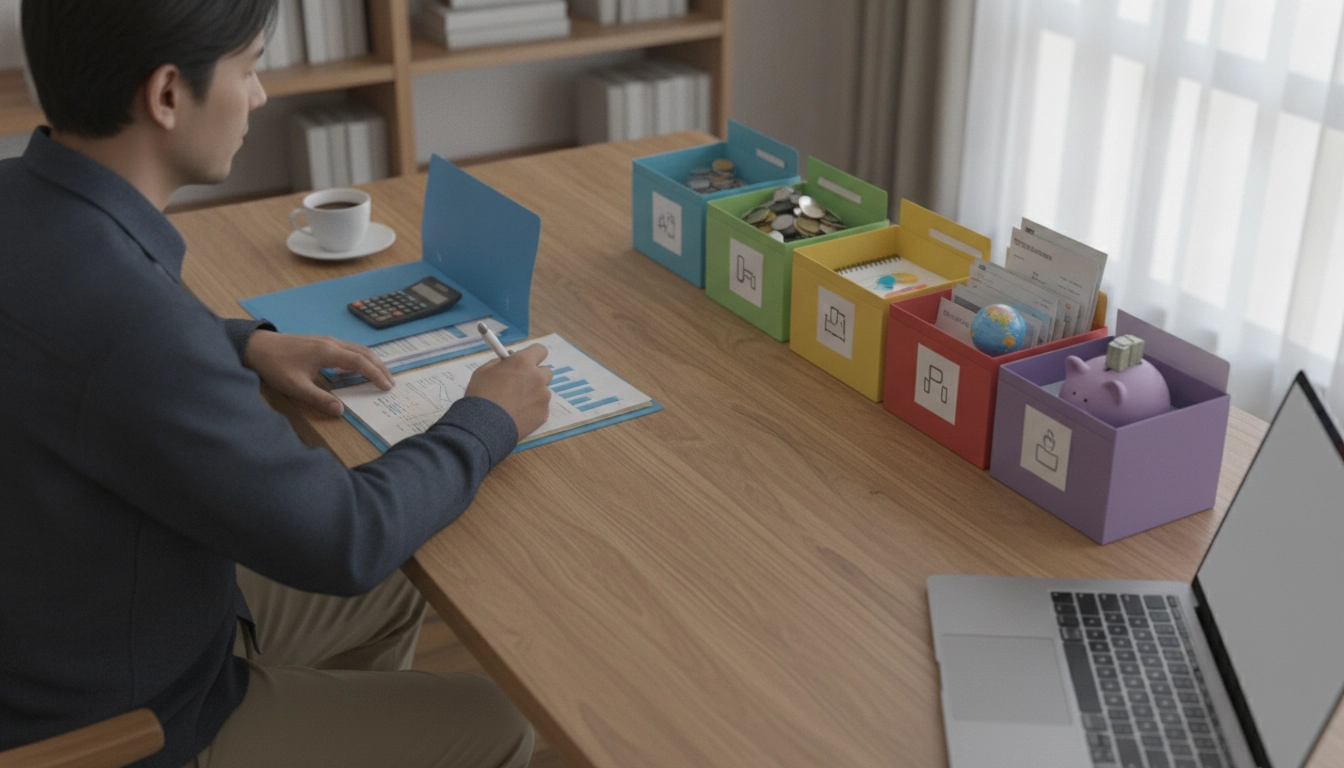
The 5 P’s of personal finance are a simple framework for making smart money decisions across your daily life and long-term goals. While different educators may label them slightly differently, they generally cover how you earn, use, protect, and grow your money. Thinking in “P’s” keeps financial planning practical: you can quickly spot what’s working, what’s missing, and what needs attention.
1) Paycheck (Income)
Your paycheck is the engine that funds everything else. Focus on increasing take-home pay over time through skill-building, negotiating raises, changing roles, or adding a side income. Even small bumps in income can accelerate savings and debt payoff when paired with good spending habits.
2) Plan (Budgeting & Goals)
A plan is your roadmap for where money should go before it disappears. This usually includes a budget, short-term targets (like building an emergency fund), and longer-term goals (like buying a home or retiring). A workable plan is realistic, updated regularly, and tied to specific dates and dollar amounts.
3) Purchase (Spending)
Purchases are the day-to-day choices that shape your financial reality. Tracking spending helps reduce leaks (subscriptions, impulse buys, frequent convenience spending) and align purchases with priorities. The goal isn’t perfection—it’s intentional spending that supports your plan.
4) Protection (Risk Management)
Protection covers the safeguards that prevent a financial setback from becoming a crisis. Common examples include an emergency fund, health insurance, auto and homeowners/renters coverage, and basic estate planning like beneficiaries. The right protection lets you take smart risks without risking everything.
5) Portfolio (Saving & Investing)
Your portfolio is how you build future financial strength. This includes retirement accounts, investment accounts, and other savings vehicles. Consistency matters more than complexity: automate contributions, keep costs low, and choose a risk level you can stick with during market swings.
For a deeper breakdown and practical tips for applying each “P,” visit the full guide here: What are the P’s of personal finance?
FAQ
What is the difference between budgeting and planning in personal finance?
Budgeting is the month-to-month allocation of income to expenses and savings, while planning connects those monthly choices to bigger goals and timelines. A budget is a tool; a plan is the overall strategy that the tool supports.











Leave a comment