Cat Seems Bored but Won’t Play: 5 Common Causes
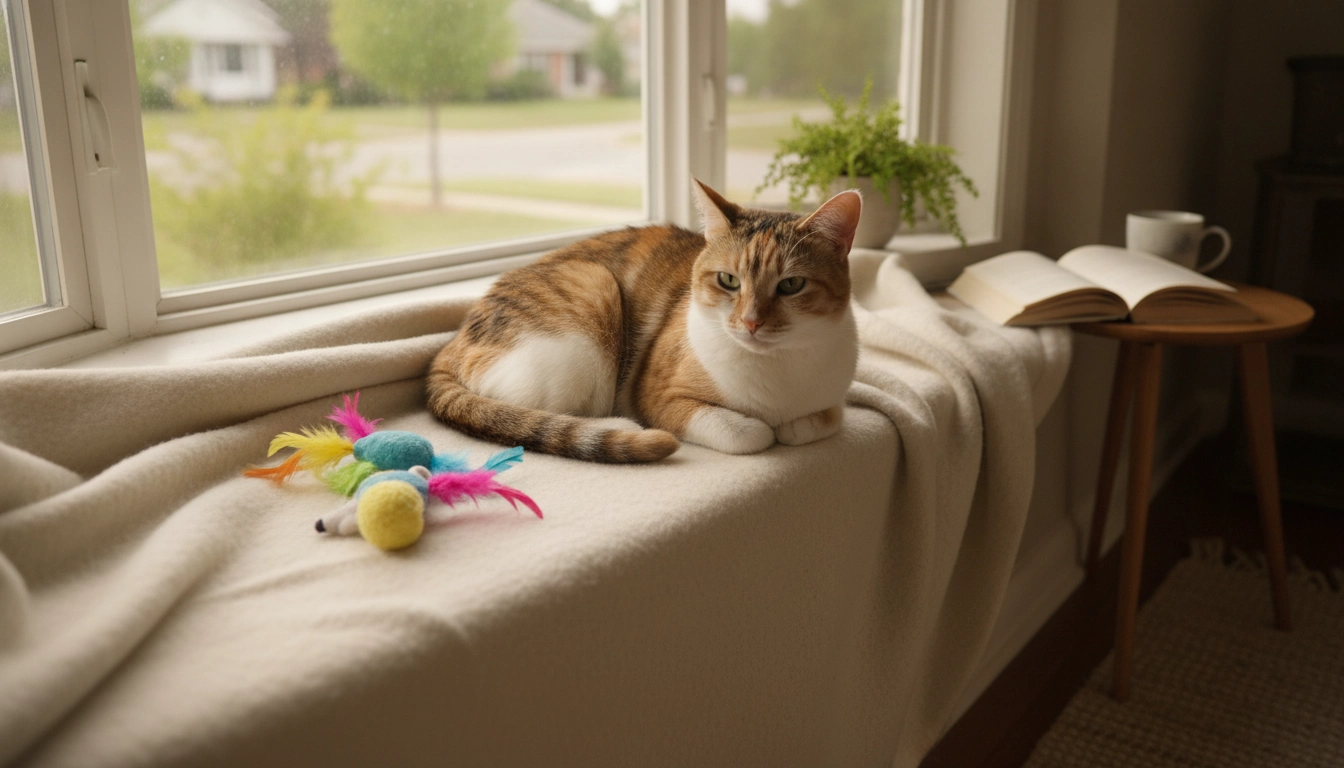
My cat seems bored but won’t play. What could be causing this?
A cat can look bored yet refuse to play when something is quietly getting in the way—ranging from pain and stress to mismatched toys or timing. Many cats still want stimulation, but they may not feel safe, comfortable, or motivated enough to engage the way they used to.
What could be causing it?
1) Subtle pain or illness
Cats often hide discomfort. Dental disease, arthritis, tummy issues, or even an old injury can make chasing, pouncing, or chewing toys unpleasant. A drop in playfulness—especially if it’s sudden—can be an early clue to schedule a vet visit.
2) Stress, fear, or a change at home
New pets, visitors, construction noise, a moved litter box, or changes in routine can leave a cat on alert. When a cat is stressed, they may conserve energy, avoid open spaces, and ignore play even if they seem “restless.”
3) The play style doesn’t match the cat
Some cats love high-speed wand play; others prefer slow “sneaky” movement, ground-level toys, or short sessions with breaks. If the toy moves too fast, too close, or too predictably, many cats disengage.
4) Low novelty or the wrong sensory cues
Toys lose appeal when they’re always available. A toy that’s unscented, silent, or the same texture every day may not trigger hunting interest. Rotating toys, using crinkle or feather textures, or adding catnip/silvervine (if your cat responds) can help.
5) Timing and energy cycles
Cats often peak at dawn and dusk. If play is offered when your cat is sleepy, full, or focused elsewhere, they may decline. Try a short session before mealtimes to tap into natural hunting-to-eating rhythms.
For a deeper breakdown and practical next steps to try at home, visit the main article.
FAQ
How can I mentally stimulate my cat without active play?
Use food puzzles, scatter feeding, window perches for bird-watching, and short training sessions with treats. Rotating a few enrichment options weekly keeps things interesting without requiring intense chasing.










Leave a comment