Cat Wants Space? Body Language Signs to Watch

How can you tell if a cat is asking for space from their body language?
Cats rarely “ask” for space with sound alone; they usually show it through posture, tail movement, ear position, and how they choose to engage (or disengage). Noticing these cues early helps prevent stress, swats, or bites and supports a calmer bond.
Common body language signs your cat wants distance
Ears angled sideways or pinned back: “Airplane ears” or flattened ears often signal discomfort. If the ears stay back while you approach, pause and give room.
Tail flicking or thumping: A gently waving tail can be neutral, but quick flicks, whipping, or thumping usually mean irritation is building. It’s a good time to stop petting or back up.
Tense, low posture or freezing: A stiff body, crouch, or sudden stillness can be a warning. Some cats freeze right before they bolt or lash out.
Turning the head away or leaning away: If your cat angles their body away, dodges your hand, or shifts so your touch lands “wrong,” they’re declining contact.
Dilated pupils and hard staring: Big pupils can happen from excitement, but paired with a stiff body or stare, it can indicate stress. Slow blinks and creating distance are safer than reaching in.
Hiding, leaving, or choosing higher ground: Walking away, going under furniture, or hopping to a perch is a clear “not right now.” Respecting this choice builds trust.
What to do when your cat signals “space”
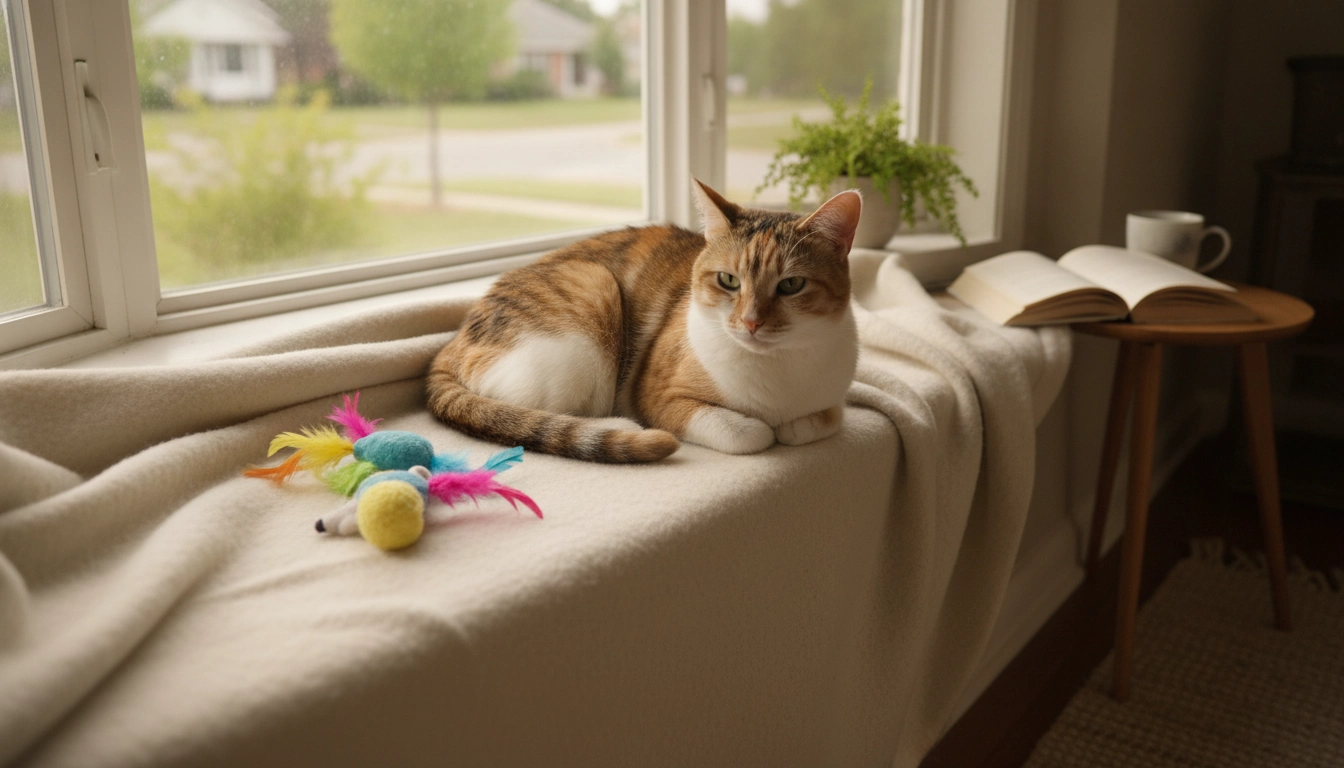
Stop petting, soften your posture, and let your cat decide whether to return. Avoid cornering them, and consider offering enrichment at a distance (a tossed treat or a wand toy moved away from your hands). For more detail and additional examples, visit the main guide on cat body language and giving space.
For Cat Wants Space? Body Language Signs to Watch, the best answer depends on fit, material, care instructions, and how the product will be used day to day.
FAQ
What does it mean when a cat suddenly stops purring while being petted?
It often means your cat’s comfort level changed—either they’re overstimulated or simply done with contact. Pause immediately and let them choose whether to continue.









Leave a comment