Is the 3-3-3 Rule Working? Signs Your Adopted Pet Settles
How can I tell if the 3-3-3 rule is working for my adopted pet?
Answer
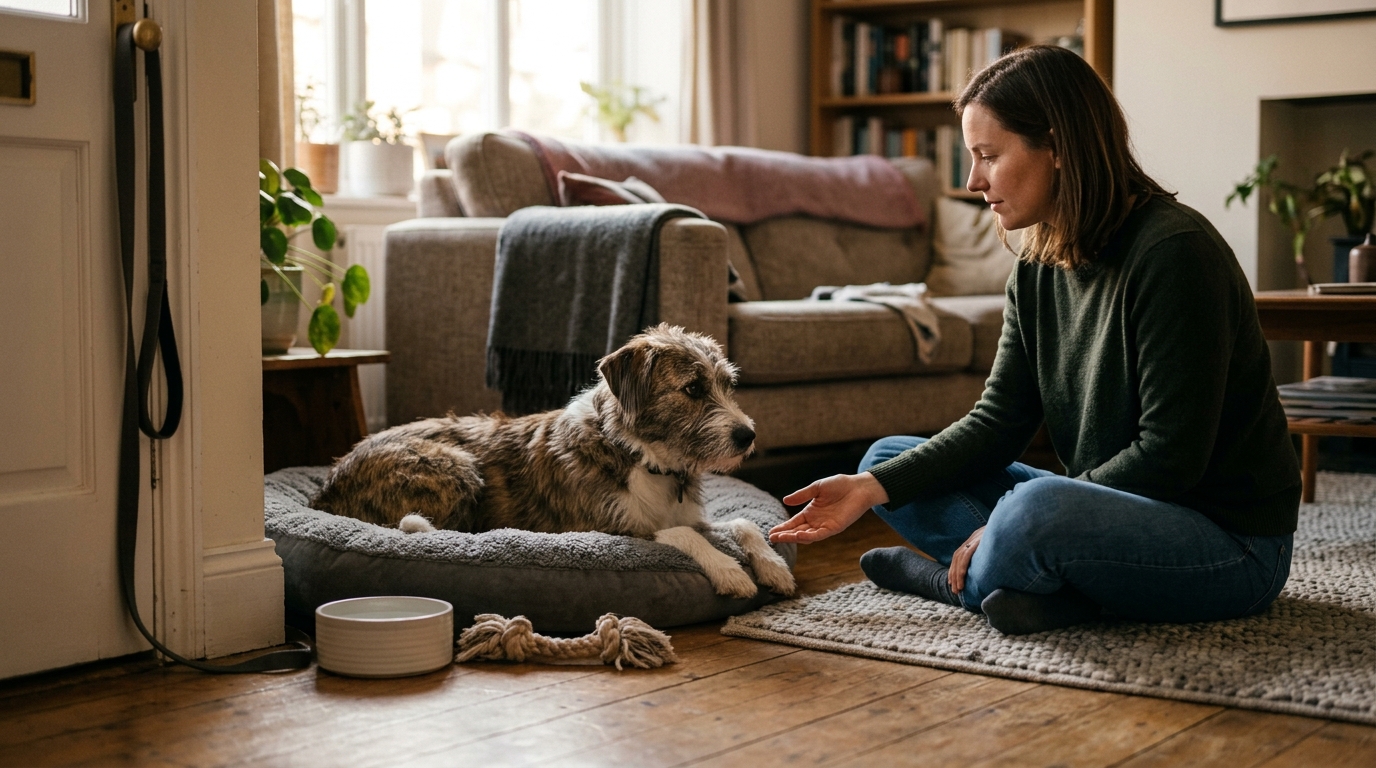
The 3-3-3 rule is working when your adopted pet shows steady, realistic progress across comfort, routine, and connection—without expecting a perfectly linear path. Early on, small “wins” matter most: calmer body language, curiosity replacing fear, and fewer stress behaviors after predictable daily rhythms.
In the first 3 days, signs of progress often look subtle. Your pet may still hide, pace, or sleep a lot, but you may notice they’re eating at least a little, taking treats, or choosing to rest in one spot instead of constantly scanning. Reduced trembling, less panting (when not hot), and shorter startle responses can also signal they’re beginning to decompress.
By about 3 weeks, the rule is working when your pet starts anticipating routines—meal times, potty breaks, and quiet time—without constant anxiety. You might see more exploratory behavior, longer periods of relaxed posture (loose muscles, soft eyes, neutral tail), and an increased willingness to engage on their terms. Common “good” changes include more consistent appetite, better sleep patterns, and improved ability to settle after household noises.
By roughly 3 months, many pets show clearer attachment and confidence: they seek affection, respond to cues more reliably, and recover faster from surprises. You may also see their true personality emerge—playfulness, preferences, and stronger interest in enrichment. Progress can include fewer accidents (with proper management), reduced reactivity, and easier handling for grooming or vet-like touch.
It can still be “working” even if you hit bumps—like a fear period, regression after visitors, or new triggers outdoors. What matters is overall direction: your pet returns to baseline more quickly and needs less support to feel safe. If you’re unsure what’s normal or want a more detailed checklist of behaviors to watch, visit the main guide on the 3-3-3 rule and success signs.
FAQ
What should I avoid doing during the first week with a newly adopted pet?
Avoid overwhelming them with visitors, busy outings, or too much handling. Keep routines predictable, offer a quiet safe space, and let your pet initiate most interactions.











Leave a comment