Cat Loafing Explained: Why Paws Tuck Under
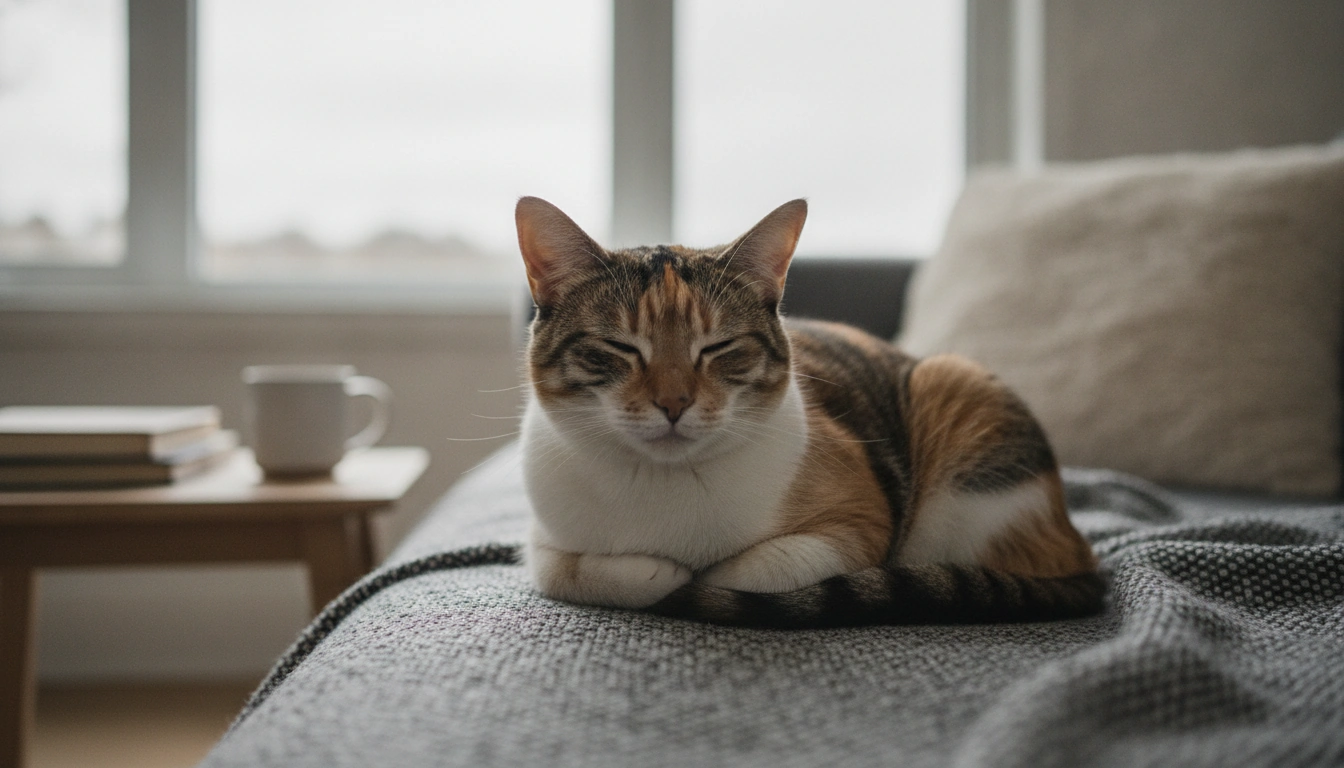
Why do cats loaf with their paws tucked under them?
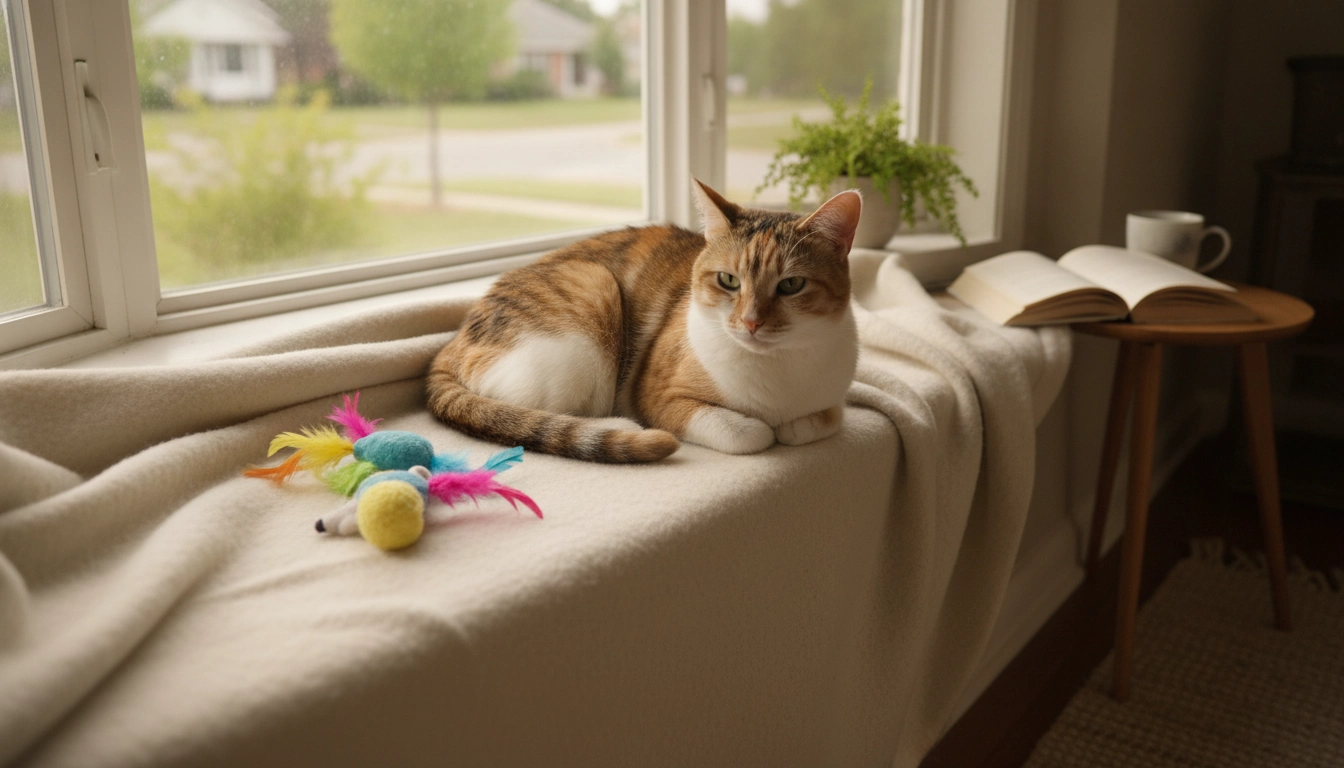
When a cat “loafs” (sitting with paws tucked neatly underneath), it’s usually a comfort-and-control posture. By folding their feet under their chest, cats reduce exposed surface area, which helps conserve body heat and creates a stable, compact shape that feels secure. Many cats choose this position on cool floors, near windows, or anytime they want to rest without fully stretching out.
Loafing can also signal that your cat feels safe in the environment. In a relaxed home setting, a loaf often means your cat is calm and content, keeping their body close to the ground while staying alert enough to look around. Some cats loaf with soft eyes and slow blinks; others may loaf with their head up and ears rotating to track sounds.
Is loafing always a sign of relaxation?
Most of the time, yes—but context matters. A comfortable loaf looks “easy”: loose shoulders, normal breathing, and a neutral tail. If your cat is loafing unusually long, seems tense, is hiding, has flattened ears, or resists being touched, the position could be a way to protect a tender belly or sore paws. Sudden changes in posture habits—especially paired with reduced appetite or lethargy—can justify a quick vet call.
Why tuck the paws specifically?
Paws are sensitive and can lose heat quickly. Tucking them protects pads from cold surfaces and keeps them warm. It also minimizes the chance of toes being stepped on in busy areas and helps the cat feel “contained,” which can be soothing.
For a deeper look at what loafing can mean in different situations, visit this complete guide on why cats loaf with their paws tucked under them.
FAQ
Why does my cat sit like a loaf but seems uncomfortable?
If the loaf looks stiff, your cat is guarding an area, or it’s paired with appetite or behavior changes, discomfort could be involved. Check for limping, sensitivity to touch, or unusual hiding, and contact a vet if symptoms persist.








Leave a comment